NEXISTEK Knowledge Hub
Learn. Understand. Apply.
Practical insights on engineering, industrial automation, AI, robotics, electronics, safety and career development — created to help students and professionals understand technology beyond the classroom.
Posts
-
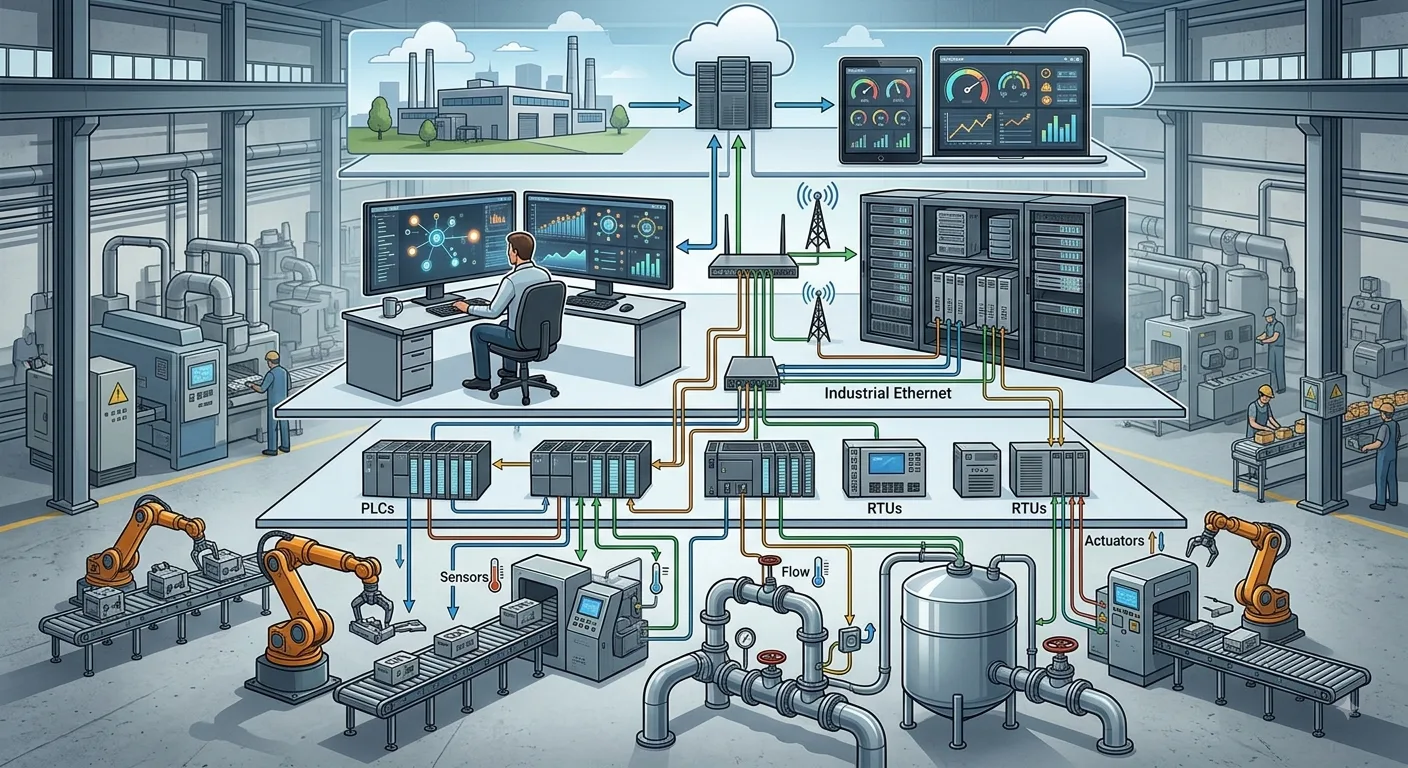
What Is PLC and SCADA? A Beginner’s Guide for Engineering & Diploma Students
Understand the core concepts of Programmable Logic Controllers (PLCs) and Supervisory Control and Data Acquisition (SCADA) systems, how they operate together in plant environments, and the essential technical skills needed for industrial automation careers.
-
Essential PLC Skills for Engineering Graduates in Uttarakhand
Engineering students in Uttarakhand preparing for automation roles need more than basic ladder logic. Learn the core electrical foundations, sensor interfacing, fieldbus communication, and troubleshooting skills required in modern plant environments.
-
How Microcontroller Architecture Shapes Embedded Firmware Design
Learn how microcontroller architecture, memory mapping, interrupt controllers, and serial protocols work. Discover how to write robust, register-level firmware and avoid common low-level programming errors.
-
Industry 4.0 Architecture and Practical Implementation for Engineers
Learn how Industry 4.0 connects physical OT systems to IT networks using edge gateways, MQTT protocols, and unified namespace architectures without breaking existing industrial safety.
-
Understanding SCADA Architecture in Modern Industrial Automation
Learn how SCADA systems collect real-time data, communicate with PLCs, and manage plant alarms. This guide details supervisory control architecture, networking protocols, and common engineering mistakes.
-
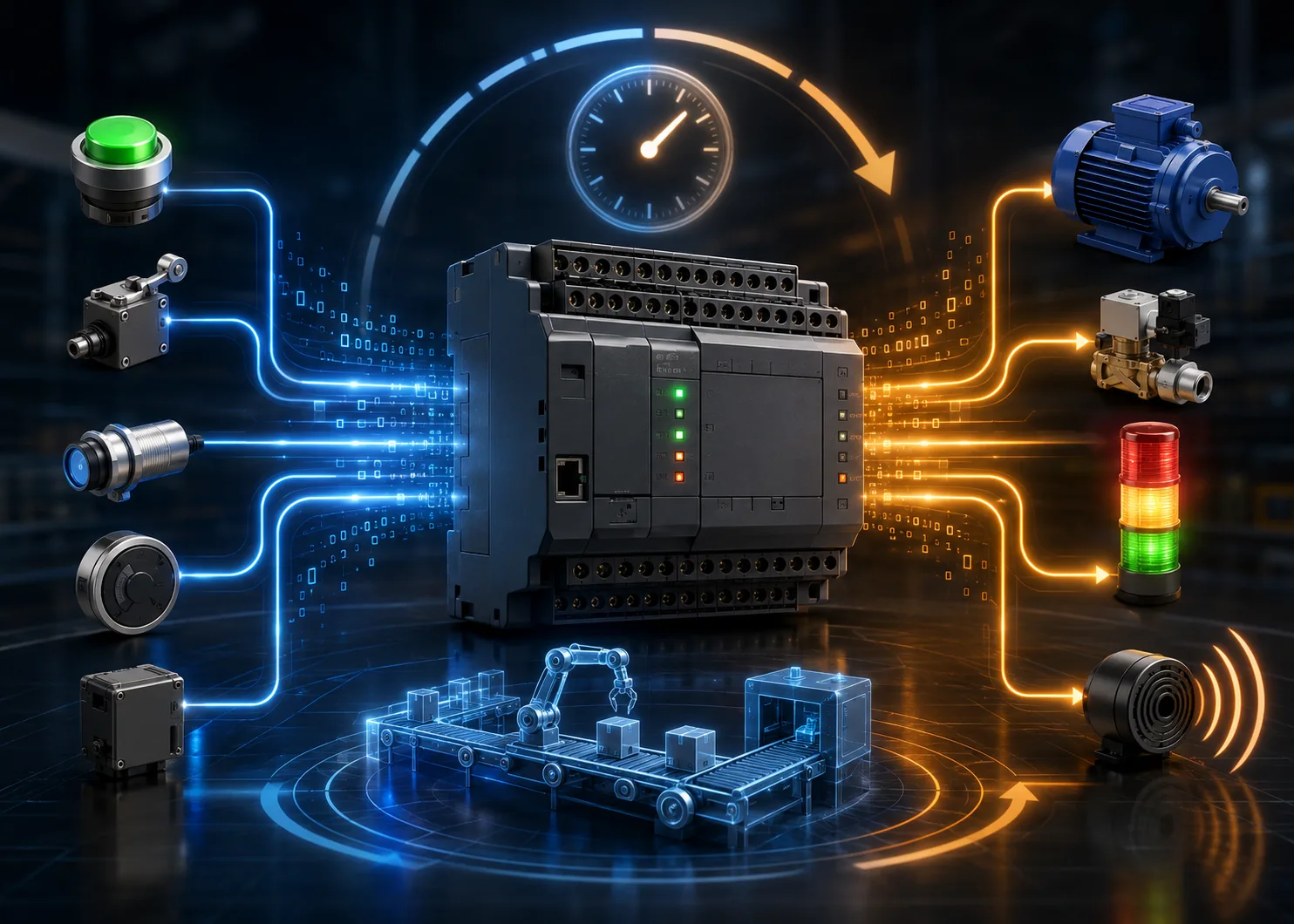
What a PLC actually does between one millisecond and the next
Ladder logic looks like a circuit pretending to be a program. Once you understand the scan cycle — read every input, solve the logic, write every output — the diagram stops being strange and starts being the clearest description of the job.